
Ultimate Guide to 3D Printing Materials
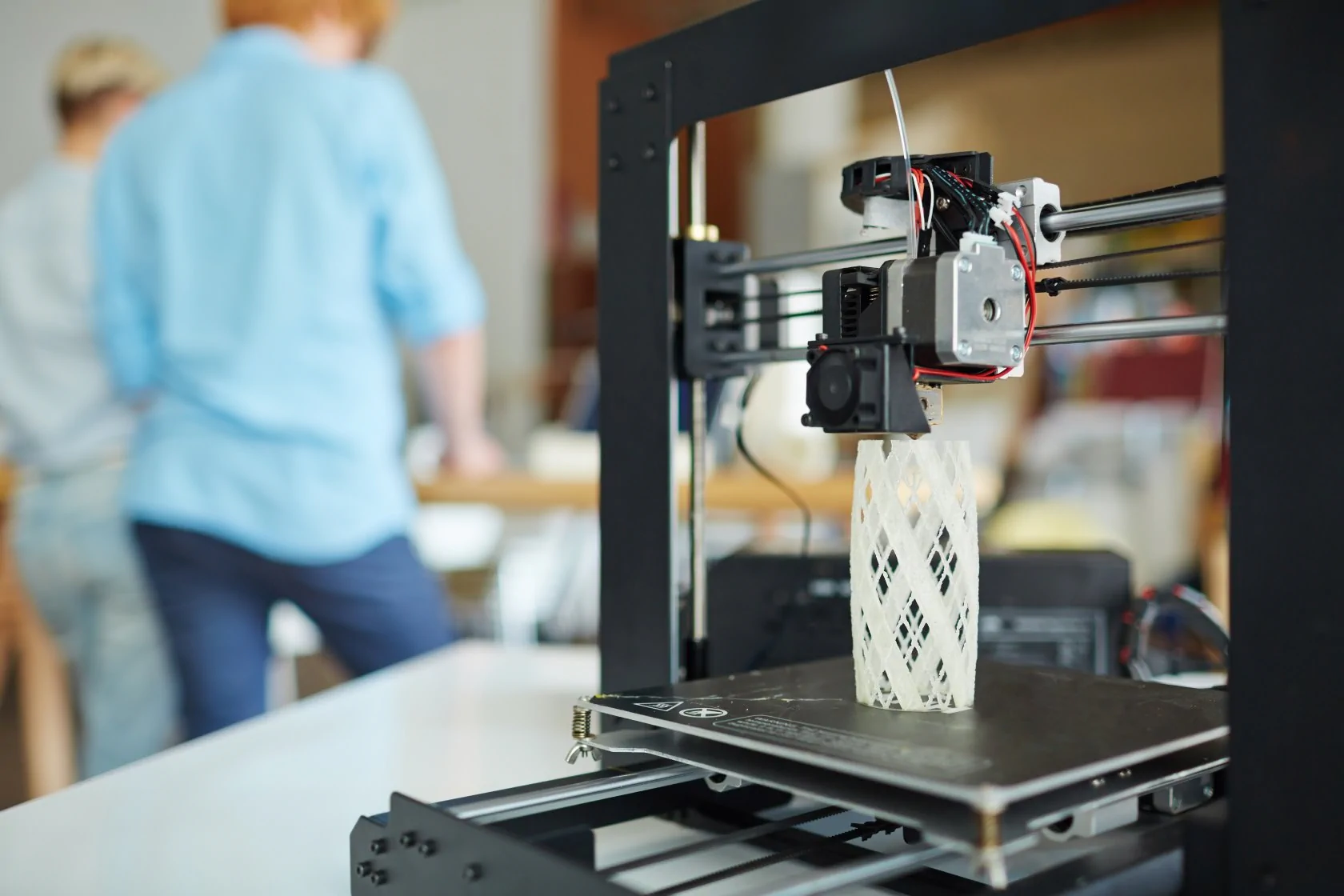
Are you ready to delve into the fascinating world of 3D printing? One of the key aspects to consider when venturing into this innovative technology is the choice of materials. With a wide range of options available, it’s important to understand the properties, applications, and environmental impact of different 3D printing materials.
Our comprehensive guide aims to provide you with the ultimate resource to navigate through the vast array of options. Whether you’re a beginner or an experienced enthusiast, this guide will equip you with the knowledge needed to make informed decisions and achieve successful outcomes in your 3D printing projects. So, let’s dive in and explore the world of 3D printing materials together.
Key Takeaways:
- Discover the properties and characteristics of various 3D printing materials.
- Understand the applications and uses of different materials in 3D printing.
- Consider the environmental impact of various materials and make conscious choices.
- Learn how to choose the right material for your specific project needs.
- Empower yourself with the knowledge to create high-quality prints with desired aesthetics.

Understanding Plastic 3D Printing Materials
Plastic materials are widely utilized in 3D printing due to their versatile properties and characteristics. Whether you’re a beginner or an experienced 3D printing enthusiast, understanding the different plastic materials available can help you make informed decisions for your projects.
Popular Plastic 3D Printing Materials
| Material | Features |
|---|---|
| ABS | High temperature resistance, impact resistance |
| PLA | Biodegradable, easy to print |
| PETG | Strength, flexibility, chemical resistance |
| Nylon | Durability, strength, wear resistance |
| TPU | Elasticity, flexibility, shock absorption |
| PVA | Water-soluble support material |
| HIPS | Smooth surface finish, easy to paint or glue |
These plastic materials, along with various composites, offer unique features such as heat resistance, flexibility, impact resistance, and water resistance. By familiarizing yourself with their properties, you can select the best material for your specific project needs.
Experimenting with different plastic materials is also essential for understanding their individual strengths and limitations. Consider factors like printability, mechanical properties, and desired aesthetic outcomes to achieve the best results.
Exploring Metal Additive Manufacturing Materials
Metal materials are integral to the field of additive manufacturing, offering exceptional strength, durability, and a range of mechanical properties that make them ideal for diverse applications. Whether you’re working on industrial prototypes or intricate jewelry designs, metal 3D printing materials provide the versatility and performance required to bring your creations to life.
Common Metal Materials Used in 3D Printing
In metal additive manufacturing, several materials are widely utilized due to their unique properties and suitability for various applications:
| Material | Properties |
|---|---|
| Stainless Steel | High corrosion resistance, strength, and versatility |
| Low Alloy Steel | Enhanced strength, toughness, and weldability |
| Ni-based Superalloys | Exceptional heat resistance, oxidation resistance, and creep resistance |
| Tool Steel | Superior hardness, wear resistance, and cutting properties |
| Cobalt Chrome | Excellent biocompatibility, high strength, and heat resistance |
| Copper | High thermal and electrical conductivity, malleability |
| Titanium | Lightweight, exceptional strength-to-weight ratio, corrosion resistance |
| Aluminum | Lightweight, good strength, and excellent thermal conductivity |
Each metal material possesses distinct characteristics that enable the creation of functional and robust parts tailor-made to specific requirements.
Utilizing metal 3D printing materials allows you to take advantage of their exceptional properties, ensuring your printed objects meet the highest standards of performance, durability, and precision.
Discovering Ceramic 3D Printing Materials
Ceramics are a fascinating category of materials that have found their place in the world of 3D printing. With their unique properties and diverse applications, ceramic 3D printing materials offer a wide range of possibilities for creators and innovators.
From technical ceramics like Aluminum Nitride and Zirconia to classic ceramics like stoneware and porcelain, there is no shortage of options when it comes to choosing the right ceramic material for your 3D printing projects. These materials bring with them a host of desirable properties that make them stand out.
One of the key advantages of ceramic 3D printing materials is their high heat resistance. This makes them ideal for applications that involve exposure to extreme temperatures. Additionally, ceramics offer excellent durability, ensuring that your printed parts can withstand the test of time and use.
A noteworthy property of ceramic materials is their biocompatibility, making them suitable for various medical and healthcare applications. This opens up exciting possibilities for creating custom solutions that meet the specific needs of the healthcare industry.
Whether you’re looking to create intricate designs or need custom solutions for specific applications, ceramic 3D printing materials provide the versatility and functionality required for your projects. With their unique combination of properties, these materials are empowering creators to push the boundaries of what’s possible in the world of 3D printing.
Comparison of Ceramic 3D Printing Materials
| Material | Heat Resistance | Durability | Biocompatibility |
|---|---|---|---|
| Aluminum Nitride | High | Excellent | No |
| Zirconia | High | Excellent | No |
| Stoneware | Medium | Good | No |
| Porcelain | Medium | Good | No |
Making Informed Material Choices for Your 3D Printing Projects
When it comes to 3D printing, the choice of materials is crucial for the success of your projects. Whether you’re a beginner or an experienced 3D printing enthusiast, understanding the properties and capabilities of different materials is essential. By making informed decisions, you can ensure high-quality prints and achieve the desired outcomes.
Factors such as mechanical properties, functional characteristics, and aesthetics should all be taken into consideration when selecting 3D printing materials. Each material has its own unique features, strengths, and limitations. By evaluating these aspects, you can choose the best materials for your specific needs, whether you’re working on prototypes, functional parts, or artistic designs.
In this comprehensive guide, we cover a wide range of 3D printing materials to help you make the right choices. From plastic materials like ABS, PLA, and Nylon to metal materials such as stainless steel and titanium, we provide detailed insights into their properties and applications. We also explore ceramic materials, which offer heat resistance and versatility for various purposes.
With the knowledge gained from this guide, you’ll have the confidence to select the best materials for your 3D printing projects. Whether you’re aiming for durability, flexibility, or aesthetic appeal, understanding the characteristics of different materials will empower you to achieve the best results. Start exploring the world of 3D printer materials and unlock endless possibilities for your creations!