
3D Printing for Beginners: A Step-by-Step Tutorial

Did you know that 3D printing is transforming industries and enabling ordinary individuals to bring their imaginations to life? With its limitless potential, it’s no wonder that 3D printing has become a fascinating and popular technology for people of all skill levels. If you’re a beginner looking to dive into the world of 3D printing, this step-by-step tutorial is your ultimate guide to getting started and unleashing your creativity.
Key Takeaways:
- Learn the fundamentals of 3D printing, from its definition to the process of layering material to create three-dimensional objects.
- Follow a comprehensive step-by-step guide that covers everything from creating a design and choosing materials to operating a 3D printer and bringing your creations to life.
- Discover the wide-ranging applications of 3D printing across industries such as healthcare, engineering, and fashion.
- Understand the essential equipment needed to embark on your 3D printing journey, including beginner-friendly options for printers, filaments, and slicing software.
- Explore the advantages of 3D printing and gain insight into its future development, which promises to revolutionize manufacturing and customization.
Now, let’s embark on this exciting 3D printing journey together, as we unlock the endless possibilities that this innovative technology has to offer.
What is 3D Printing?
3D printing, also known as additive manufacturing, is the process of creating a three-dimensional object by layering material on top of itself. This innovative technology has revolutionized manufacturing by enabling the production of complex and intricate designs with ease.
At the core of 3D printing is the use of a digital file, typically in the form of a Computer-Aided Design (CAD) model. This digital file serves as a blueprint that guides the 3D printer in layering the material to build the object. The printer adds layer upon layer of material, gradually shaping the final product.
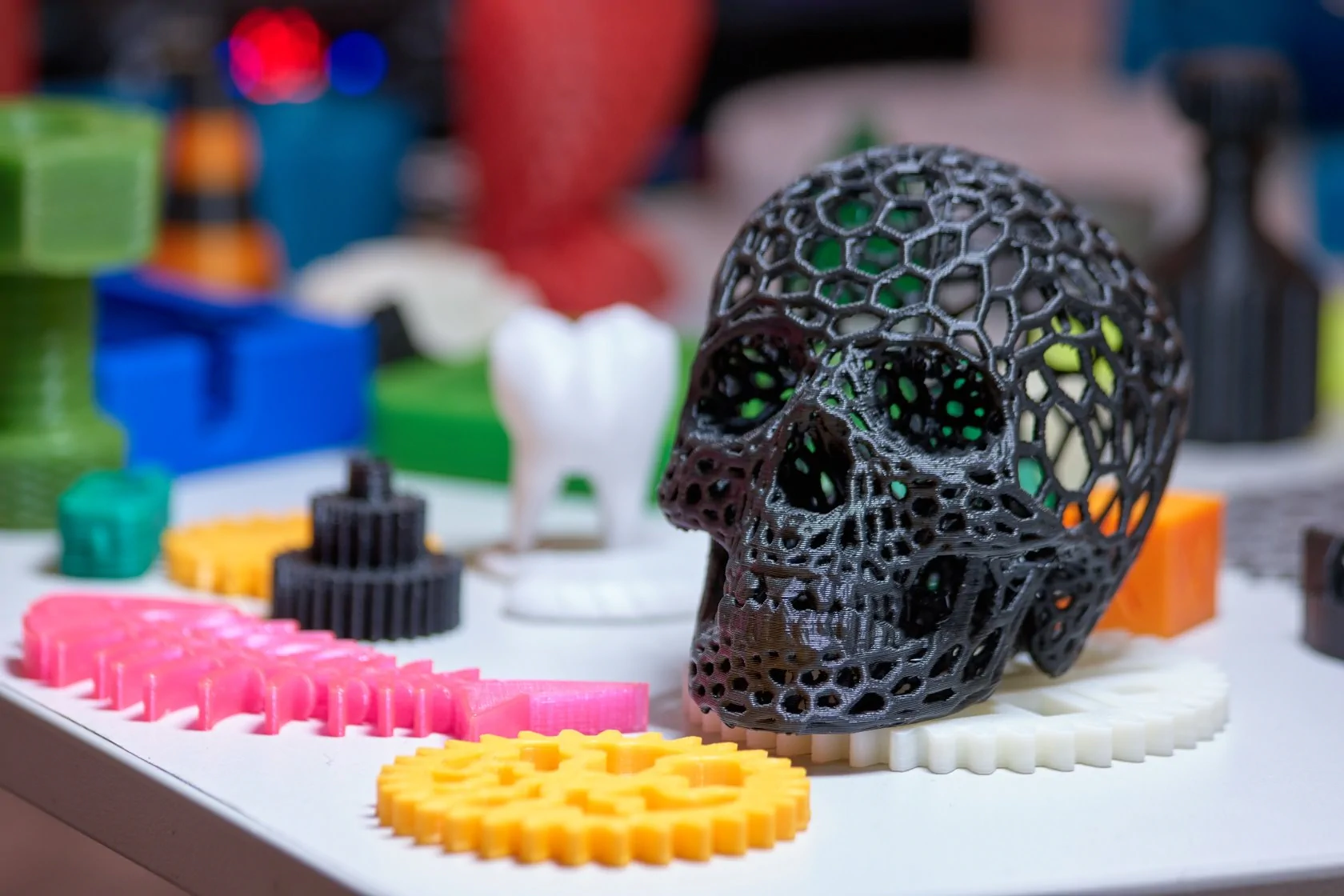
The layering process in 3D printing allows for incredible design flexibility. It enables the creation of objects with intricate geometries and internal structures that would be challenging or impossible to produce using traditional manufacturing methods.
Advantages of 3D Printing
There are several advantages that make 3D printing a game-changer in various industries. Firstly, it offers unparalleled design freedom, giving designers the ability to create complex shapes and structures without constraints. This opens up new possibilities for innovation and customization.
Secondly, 3D printing reduces waste and increases efficiency. Traditional manufacturing processes often involve material wastage, whereas 3D printing only uses the precise amount of material required for the object. This leads to cost savings and a more sustainable approach to production.
Furthermore, 3D printing enables rapid prototyping, allowing designers and engineers to quickly iterate and refine their designs. This accelerates the product development cycle and saves time, bringing ideas to market faster.
Applications of 3D Printing
3D printing has found applications in a wide range of industries. In healthcare, it is used to produce patient-specific models for surgical planning and the creation of custom prosthetics. In automotive and aerospace, it is employed for lightweight part production and rapid tooling.
The fashion industry has also embraced 3D printing, utilizing it to create avant-garde clothing and accessories. Additionally, architects and designers utilize it for producing intricate scale models and prototypes.
| Industry | Applications |
|---|---|
| Healthcare | Patient-specific modelsCustom prosthetics |
| Automotive & Aerospace | Lightweight part productionRapid tooling |
| Fashion | Avant-garde clothingAccessories |
| Architecture & Design | Scale modelsPrototypes |
How to 3D Print: Step-by-Step Guide
The process of 3D printing involves several key steps. Here is a step-by-step guide to help you navigate through the intricacies of this exciting technology.
Create or Find a Design
The first step in 3D printing is to create or find a design using 3D design software. You can either unleash your creativity and create your own unique design or browse through a vast collection of pre-designed models available online.
Export the Design as an STL File
Once you have the design ready, it’s time to export it as an STL (Standard Tessellation Language) file. This file format is widely used in 3D printing and ensures compatibility with most 3D printers.
Choose the Right Materials
Choosing the appropriate materials for your 3D print is crucial. There are various types of materials available, ranging from plastics to metals and even ceramics. Consider the properties and requirements of your object to select the most suitable material.
Create the Gcode
The next step is to create the Gcode, which contains the instructions for the 3D printer. This code tells the printer how to move and extrude the material to create your design accurately.
Start the Printing Process
Now that everything is set up, it’s time to start the printing process. Load the Gcode file into your 3D printer, ensure the printer is correctly calibrated, and hit the print button. Sit back and watch as your object takes shape layer by layer.
3D printing opens up a world of possibilities for creating unique and personalized objects. By following this step-by-step guide, you can unleash your creativity and bring your ideas to life through the exciting realm of 3D printing.
Applications of 3D Printing
3D printing has revolutionized various industries, offering a wide range of applications in healthcare, engineering, and even fashion. Let’s explore some of the key areas where 3D printing has made a significant impact:
Healthcare
In the healthcare industry, 3D printing has proven to be invaluable. It is used to create organ models for surgical planning, allowing surgeons to practice complex procedures and optimize patient outcomes. Additionally, 3D printing is used to produce prosthetics tailored to each patient’s unique needs, enhancing mobility and quality of life.
Engineering
Engineers have embraced 3D printing for rapid prototyping and creating functional prototypes. This technology enables engineers to quickly iterate designs and test functionality, reducing development time and costs. From aerospace components to automotive parts, 3D printing has opened up new possibilities for innovation in engineering.
Fashion
The fashion industry has also recognized the creative potential of 3D printing. Designers can now bring their intricate and unique designs to life with the help of 3D printing. From avant-garde fashion pieces to customized accessories, this technology allows for endless possibilities and unparalleled creativity in the world of fashion.
| Industry | Applications of 3D Printing |
|---|---|
| Healthcare | – Organ models for surgical planning – Personalized prosthetics |
| Engineering | – Rapid prototyping – Functional prototypes |
| Fashion | – Unique clothing designs – Customized accessories |
As you can see, 3D printing offers immense possibilities across various industries. Its versatility and ability to create complex designs with ease make it a game-changer in healthcare, engineering, and fashion.
Getting Started with 3D Printing: What You Need
To embark on your 3D printing journey, there are a few essential items you’ll need: a 3D printer, filament for printing, and slicing software. Let’s explore each of these components in more detail.
1. 3D Printer
Your first step is to select a 3D printer that is beginner-friendly and suits your needs. There are various models available on the market, ranging from entry-level options to more advanced machines. Consider factors such as ease of use, build volume, and printing quality when making your decision. Some popular beginner-friendly 3D printers include the Creality Ender 3 and the Prusa i3 MK3.
2. Filament
Filament is the material used for 3D printing. There are different types of filaments available, but as a beginner, it’s recommended to start with PLA (Polylactic Acid) or PET-G (Polyethylene Terephthalate Glycol). These filaments are easy to work with, offer good print quality, and come in a wide range of colors. PLA is biodegradable and derived from renewable resources, while PET-G is durable and resistant to moisture and chemicals.
3. Slicing Software
Slicing software is used to prepare your 3D design for printing. It takes your digital model and converts it into instructions that the printer can understand. Some popular slicing software options include Ultimaker Cura, PrusaSlicer, and Simplify3D. These software programs allow you to adjust settings such as layer height, print speed, and support structures to optimize your print.
Now that you have an understanding of the key components required for 3D printing, you’re ready to dive into the exciting world of creating three-dimensional objects!
The Advantages and Future of 3D Printing
3D printing offers a multitude of advantages that can significantly impact the manufacturing industry and its future development. One of the key benefits of 3D printing is the ability to shorten production cycles. Traditional manufacturing methods often involve lengthy processes and lead times, but with 3D printing, objects can be produced more quickly and efficiently.
Another advantage of 3D printing is the capability to manufacture complex parts that would be challenging or even impossible to create using traditional methods. This opens up new possibilities in various industries, including aerospace, where lightweight and intricately designed components play a crucial role.
Customization is another area where 3D printing shines. It allows for the creation of tailored products that perfectly match individual needs and preferences. Whether it’s personalized medical devices or unique consumer goods, 3D printing empowers manufacturers to cater to a diverse range of customer requirements.
The future of 3D printing is bright and filled with exciting possibilities. As technology continues to advance, we can anticipate higher precision printing, faster production speeds, and the emergence of novel materials. These developments will further enhance the capabilities of 3D printing, making it an indispensable tool for innovation and manufacturing across multiple industries.
FAQ
Q: What is 3D printing?
A: 3D printing, also known as additive manufacturing, is the process of creating a three-dimensional object by layering material on top of itself. A digital file dictates how the material is layered to build the object.
Q: How does 3D printing work?
A: The process of 3D printing involves several key steps. First, you need to create or find a design using 3D design software. Once you have the design, export it as an STL file. Next, choose the appropriate materials for your print. After that, you need to create the Gcode, which contains the instructions for the printer. Finally, you can start the printing process and watch as your object takes shape layer by layer.
Q: What are the applications of 3D printing?
A: 3D printing has a wide range of applications across various industries. It is used in the healthcare industry for creating organ models and prosthetics. In engineering, it is used for rapid prototyping and creating functional prototypes. Even the fashion industry has embraced 3D printing for creating unique clothing designs. The versatility of 3D printing allows it to be used in many different fields and sectors.
Q: What do I need to get started with 3D printing?
A: To get started with 3D printing, you will need a 3D printer, filament (the material used for printing), and slicing software. There are many different options available, so it’s important to choose a printer that is beginner-friendly and suits your needs. PLA and PET-G are common beginner-friendly filaments, and there are various CAD and slicing software options to choose from.
Q: What are the advantages of 3D printing?
A: The advantages of 3D printing include shorter production cycles, the ability to manufacture complex parts, and unlimited design and manufacturing space. 3D printing is constantly evolving and advancing, with the potential to revolutionize industries such as aviation, aerospace, and more. As technology progresses, we can expect higher precision, faster speeds, and the development of new materials for 3D printing.